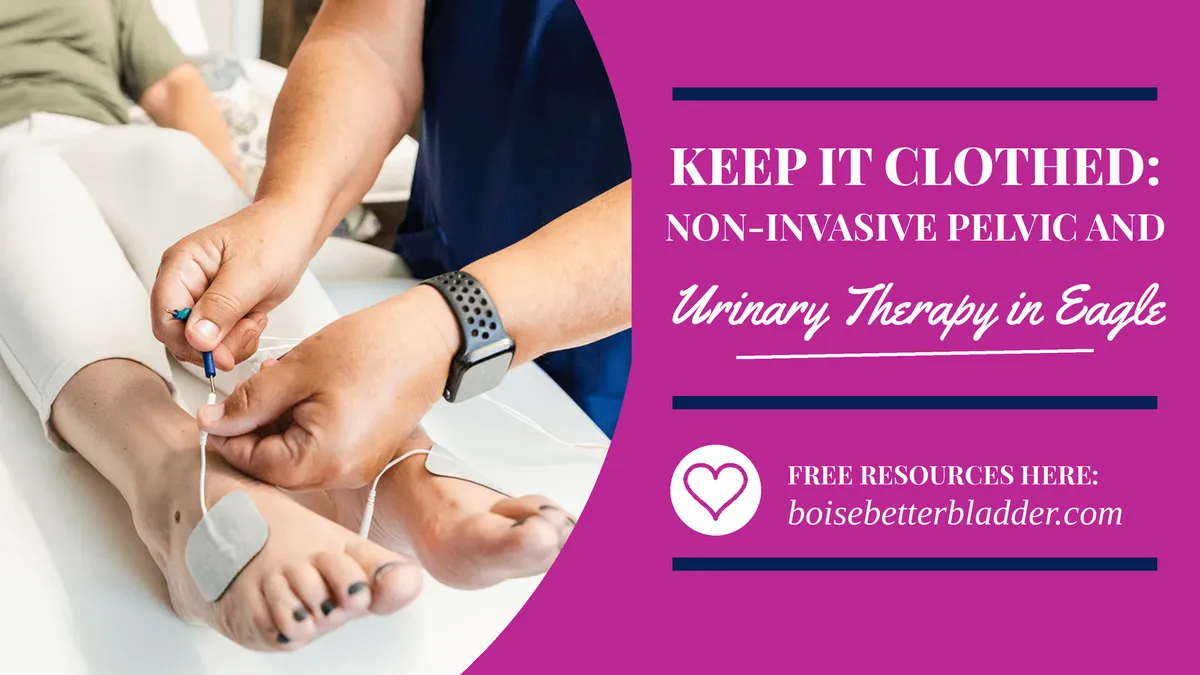
Keep It Clothed: Non-Invasive Pelvic and Urinary Therapy in Eagle
Why So Many Women in Eagle Are Quietly Struggling — And What Their Bodies Are Actually Telling Them
If you are exploring non-invasive pelvic therapy in Eagle, here is a quick overview of what is available and who it helps:
Treatment Option | How It Works | Best For |
|---|---|---|
HIFEM (Emsella-type) electromagnetic therapy | Triggers 11,000+ supramaximal muscle contractions per session | Urinary incontinence, pelvic floor weakness |
Biofeedback ultrasound therapy | Real-time visual feedback to retrain muscle coordination | Muscle isolation, urgency, incomplete emptying |
Photobiomodulation (laser therapy) | Stimulates mitochondria to reduce pain and inflammation | Chronic pelvic pain, hypertonic muscles |
Shockwave therapy | Promotes tissue regeneration and breaks down scar tissue | Resistant pelvic pain, poor circulation |
Acupuncture | Calms nervous system, improves local circulation | Pain, tension, nervous system dysregulation |
Pelvic floor physical therapy | Manual therapy, guided exercises, lifestyle coaching | Prolapse, postpartum recovery, coordination issues |
All of these options are non-surgical, non-pharmaceutical, and available without a physician's referral under Idaho's direct access laws.
Bladder leaks. Urgency. The quiet habit of mapping every room for the nearest restroom.
For many women in Eagle, these experiences have become so familiar that they have started to feel normal. Something to manage. Something to hide.
They are not normal. And they are not permanent.
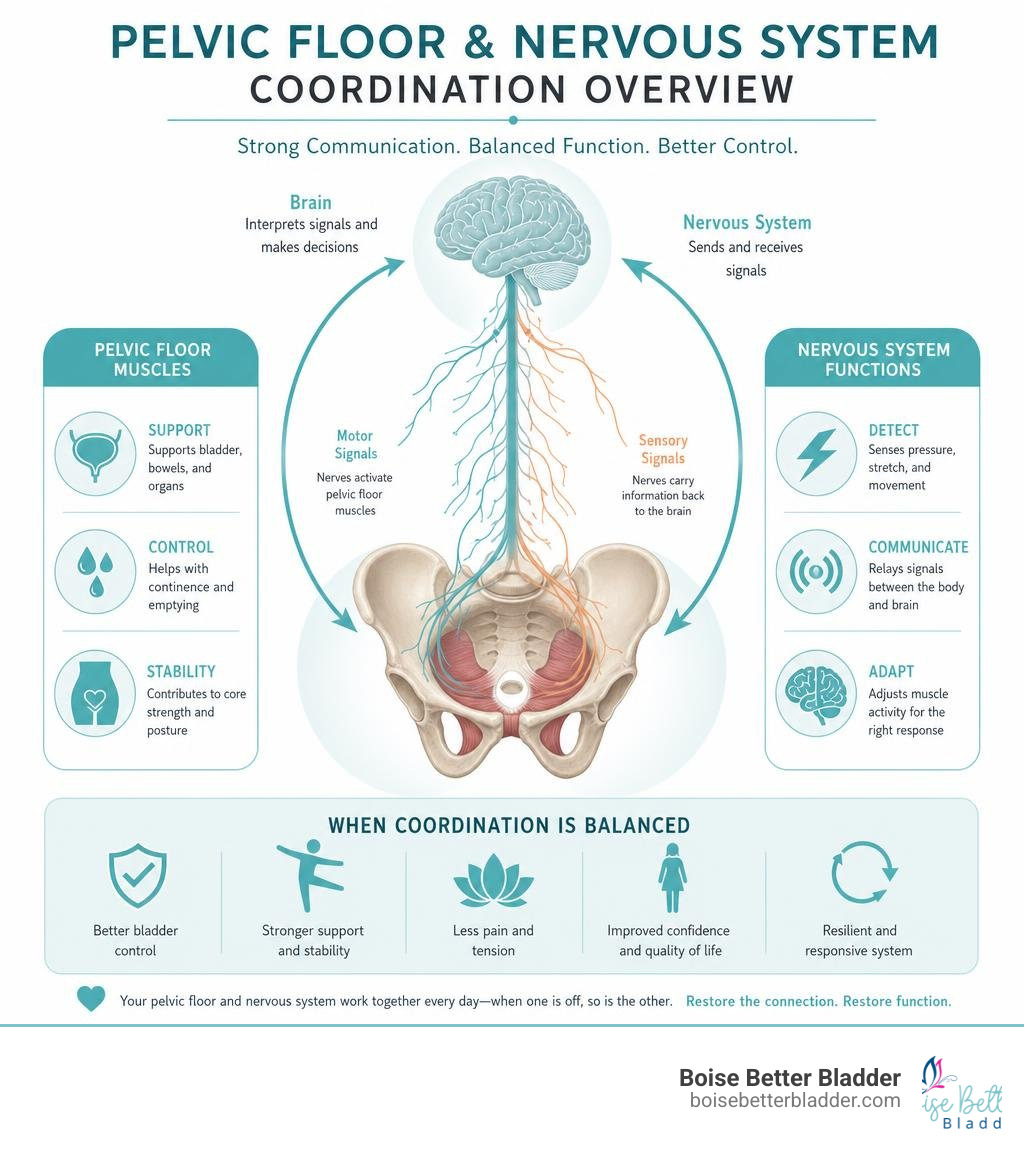
What these symptoms actually represent is your body communicating a pattern — a disruption in the coordination between your pelvic floor muscles, your nervous system, and the structural support your bladder depends on. Bladder leaks are not a personal failure. They are a signal. And signals, when understood correctly, point toward a root cause that can be addressed.
Pelvic floor dysfunction affects up to 50% of middle-aged and older women — and yet most women either wait years before seeking help, or are told that surgery or lifelong medication is their only path forward. Neither of those has to be true.
Today, there is a growing range of genuinely non-invasive therapies available right here in the Eagle and Boise area — treatments where you remain fully clothed, experience no downtime, and address the underlying muscular and neurological patterns driving your symptoms, rather than simply masking them.
I'm Dr. Kimberly Thompson, DACM, L.Ac., and I have spent years working with women who came to me frustrated, dismissed, and discouraged after trying everything from Kegel exercises to physical therapy to medications — all without lasting relief. My work in non-invasive pelvic therapy in Eagle combines advanced HIFEM technology with acupuncture and holistic care to treat both the muscular and neurological root causes of pelvic floor dysfunction. In this guide, I will walk you through exactly what is available, how it works, and how to find the right path forward for your body.
Understanding Pelvic Floor Dysfunction: Symptoms as Signals
When we experience a bladder leak while laughing, coughing, or exercising, the common reaction is to assume that the physical tissue has simply failed us. We are told that we have a "weak bladder" or that we simply need to do more Kegels.
However, this explanation is incomplete.
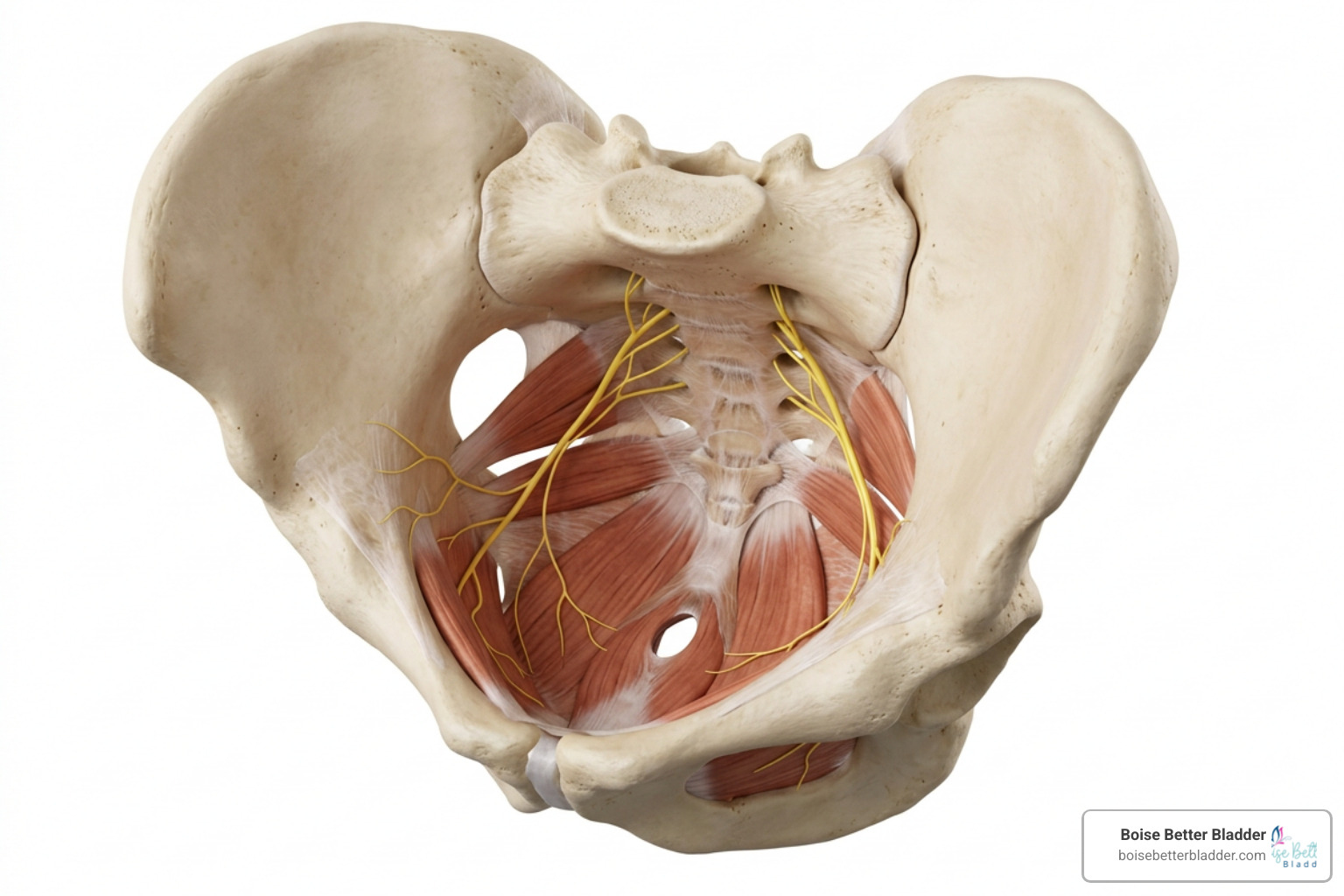
Your pelvic floor is not just a single muscle that needs to be squeezed repeatedly. It is a highly sophisticated, three-dimensional hammock of muscles, ligaments, nerves, and connective tissues that must contract and relax in harmony with your breath, your core, and your movements.
"Your body isn’t failing you."
"Symptoms are signals."
When your pelvic floor is out of balance, it generally falls into one of two patterns:
Hypotonicity (Weakness): The muscles lack the resting tone and strength to support the pelvic organs, leading to stress urinary incontinence (leaking during physical movement) or pelvic organ prolapse (a feeling of heaviness or pressure as organs descend).
Hypertonicity (Over-tightness): The muscles are chronically contracted, tight, and unable to relax. This can lead to urge incontinence (sudden, uncontrollable urges to go), pelvic pain, and pain during intercourse. In fact, up to 85% of patients with chronic pelvic pain suffer from symptoms related to pelvic floor hypertonicity, also known as levator myalgia.
"The body works in patterns."
If you are experiencing these symptoms, you are not alone. Approximately one in three women suffer from urinary incontinence, and one in nine are affected by pelvic organ prolapse. The National Institute of Diabetes and Digestive and Kidney Diseases also notes that bladder control problems are common in women and may change with pregnancy, childbirth, and aging. These symptoms are not isolated structural failures; they are reflections of systemic imbalances in blood flow, tissue elasticity, and neural communication.
To explore how these patterns manifest at different stages of life, you can read more about menopause bladder issues or learn about postpartum incontinence help.
The Menopause and Postpartum Pathways
Two of the most common life transitions that disrupt pelvic health are postpartum recovery and menopause. Each follows a distinct clinical pathway that affects how the pelvic floor communicates with the rest of the body.
During pregnancy and childbirth, the pelvic floor undergoes immense physical stretch and structural strain. This can lead to:
Muscular Imbalances: Often compounded by diastasis recti (separation of the abdominal muscles), which leaves the pelvic floor without its essential core support.
Nerve Desensitization: Temporary stretching of the pudendal nerve can dull the signals between your brain and your pelvic floor, making it difficult to contract these muscles voluntarily.
Scar Tissue: Healing from episiotomies or C-sections can create tight, unyielding tissue that restricts local blood circulation and alters natural movement patterns.
During menopause, the pathway is primarily hormonal but has profound physical consequences. The natural decline in estrogen directly impacts the structural integrity of your pelvic tissues. Estrogen is the hormone responsible for maintaining the thickness, elasticity, and lubrication of the vaginal and urethral walls. When estrogen levels drop:
Pelvic muscles and ligaments lose their natural resilience.
Local blood circulation decreases, leading to tissue thinning (atrophy) and increased sensitivity.
The bladder lining becomes more easily irritated, triggering sudden spasms and urgency.
Instead of managing these changes with bulky pads or limiting your daily activities, addressing the root cause means restoring the physical density of the muscles while simultaneously reviving the blood supply and nerve pathways that keep the tissue healthy.
The Landscape of Non-Invasive Pelvic Therapy in Eagle
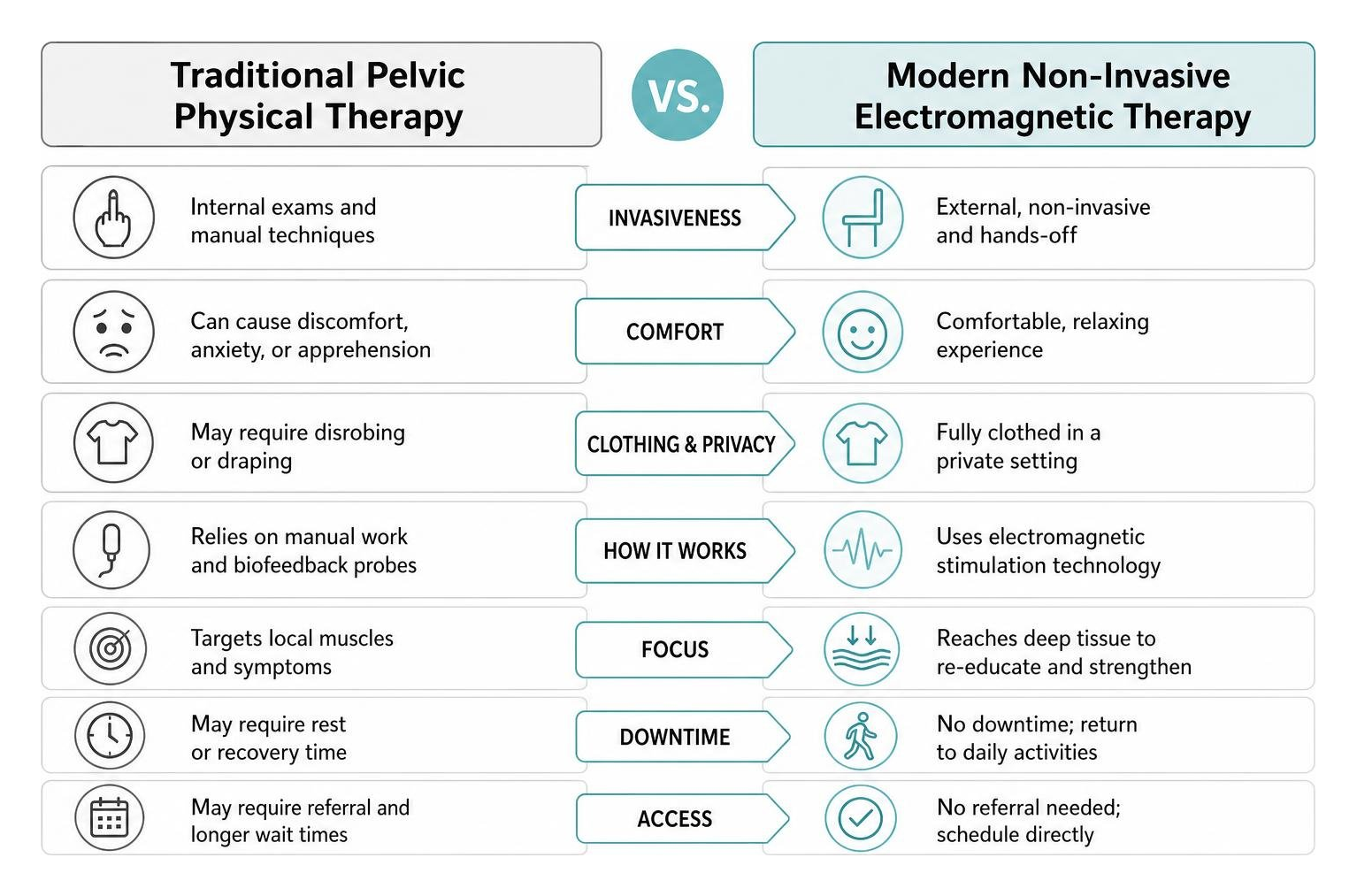
For many women, the hesitation to seek help comes from the fear of what treatment looks like. Traditional pelvic floor physical therapy often relies on internal manual exams and biofeedback probes. While these methods can be highly effective, they can also cause anxiety, physical discomfort, or apprehension.
Fortunately, modern clinical advancements have made it possible to access highly effective, non-invasive pelvic therapy right here in Eagle, Idaho. These advanced therapies allow you to achieve deep tissue recovery, muscle re-education, and pain relief while remaining fully clothed in a private, comfortable setting.
To understand the range of non-surgical options available, you can read about pelvic muscle therapy or explore our comprehensive guide on weak pelvic floor treatment.
Why Choose Non-Invasive Pelvic Therapy Over Surgery or Invasive Procedures?
When faced with chronic bladder leaks or prolapse, surgery is often presented as the ultimate fix. However, surgical interventions carry inherent risks, including scarring, infection, and potential failure over time. Furthermore, surgery only addresses the structural position of the organs; it does not retrain the uncoordinated muscle patterns or restore the nerve communication that caused the issue in the first place.
Pharmaceutical options for overactive bladder can also carry unwanted side effects, such as dry mouth, constipation, or cognitive fog, and they must be taken indefinitely to maintain their effects.
In contrast, non-invasive pelvic therapy offers a safe, natural, and restorative pathway:
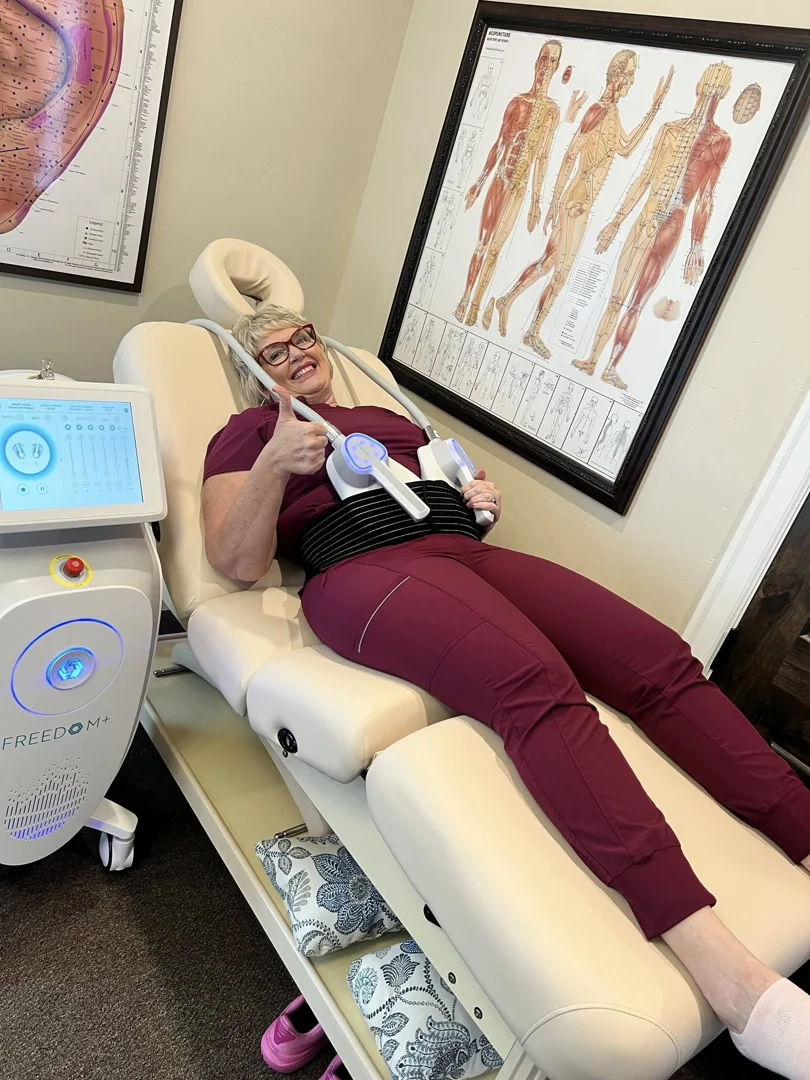
No Downtime: You can drive yourself to and from your sessions and immediately return to your normal daily activities.
Genuinely Comfortable: Treatments like electromagnetic stimulation are entirely hands-off. You sit comfortably on a specialized chair, fully clothed, while the technology performs the physical work for you.
Direct Access: Under Idaho law, you do not need a doctor's referral to begin physical therapy or holistic pelvic care. You can schedule an evaluation directly, avoiding long clinical waitlists.
To learn more about how this compares to traditional in-clinic exercises, read our breakdown of pelvic floor physical therapy in Boise.
What to Expect During Non-Invasive Pelvic Therapy
Your healing journey begins with a comprehensive, whole-body evaluation. Rather than focusing solely on the local symptoms, we look at the big picture: your posture, your breathing patterns, your history of childbirth or injuries, and how your nervous system is responding to stress.
During your first appointment, we will map out your unique structural and neurological patterns. We will discuss your goals, explain how the technology works, and design a customized treatment plan tailored to your body's specific needs.
To help you visualize the difference between traditional approaches and modern non-invasive care, we have outlined the key distinctions below:
A typical non-invasive treatment plan is structured to build cumulative, lasting strength over a period of several weeks. To explore how targeted exercises support this process, read more about pelvic muscle strengthening.
Cellular Remodeling: How Advanced Technology and Holistic Therapies Work
To achieve lasting relief from bladder leaks and pelvic pain, we must look beyond superficial muscle training. True healing requires cellular remodeling — a process where we stimulate the body to grow new blood vessels, realign muscle fibers, and restore healthy nerve communication.
Whether we are addressing a weak pelvic floor or relaxing hypertonic muscles, we utilize advanced energy-based technologies and natural healing modalities that work at the cellular level:
Mitochondrial Stimulation: Wavelengths of near-infrared light or precise electromagnetic fields stimulate the mitochondria (the powerhouses of your cells) to increase the production of Adenosine Triphosphate (ATP). This cellular energy accelerates tissue repair, reduces local inflammation, and improves muscle recovery.
Angiogenesis (New Blood Vessel Growth): Advanced therapies stimulate vascular signaling pathways, such as Vascular Endothelial Growth Factor (VEGF). This process improves microcirculation, bringing essential oxygen and nutrients to thin, weakened, or damaged pelvic tissues.
Tissue Elasticity: By promoting the expression of Alpha-SMA (smooth muscle actin) and collagen synthesis, non-invasive therapies help rebuild the structural density and natural elasticity of the pelvic floor.
To discover how we integrate these biological pathways with traditional healing, you can read about the role of acupuncture pelvic floor therapy.
High-Intensity Focused Electromagnetic (HIFEM) Technology
One of the most remarkable breakthroughs in non-invasive pelvic health is High-Intensity Focused Electromagnetic (HIFEM) technology.
When a woman struggles with urinary leaks, she is often told to perform voluntary Kegel exercises. However, many women struggle to isolate these deep internal muscles correctly, often compensating by straining their abdominal or gluteal muscles instead. Furthermore, voluntary exercises can only contract a small percentage of the muscle fibers at one time.
HIFEM technology solves this limitation by using rapidly changing magnetic fields to deliver deep, focused neuromuscular stimulation.
Supramaximal Contractions: A single 28-to-30-minute session triggers more than 11,000 supramaximal pelvic floor contractions. This level of muscle stimulation is physically impossible to achieve through voluntary exercise.
Neuromuscular Re-education: The intense magnetic pulses bypass the brain's weakened signal pathways, directly depolarizing the motor neurons in the pelvic floor. This retrains the muscles to contract automatically and coordinate naturally when you laugh, cough, or lift.
Increased Muscle Density: Clinical studies using transperineal ultrasound have objectively proven that HIFEM therapy increases muscle density and improves the structural organization of the pelvic floor.
Acupuncture and Nervous System Communication
While HIFEM technology provides the physical foundation of strength, pelvic health is deeply dependent on the state of your nervous system.
If your body is trapped in a chronic state of "fight-or-flight" due to stress, anxiety, or physical trauma, your pelvic floor muscles will naturally tighten and guard. This chronic tension restricts blood flow, irritates local nerves, and can lead to severe urgency, bladder spasms, and chronic pain.
Acupuncture is an incredibly elegant and time-tested method for regulating these neural pathways. By placing sterile, hair-thin needles at precise points along the nerve pathways of the lower back, sacrum, and lower limbs, we can:
Calm an Overactive Bladder: Acupuncture stimulates the sacral nerve plexus, helping to regulate the signals sent to the detrusor muscle (the bladder muscle), reducing sudden spasms and the constant feeling of urgency.
Improve Microcirculation: Acupuncture naturally dilates local blood vessels, encouraging a rich flow of oxygenated blood to the pelvic region to support tissue healing and reduce dryness.
Release Chronic Muscle Tension: By addressing myofascial trigger points, acupuncture helps chronically tight (hypertonic) pelvic muscles release and return to their natural, resting state.
By combining the physical muscle-building power of HIFEM with the nervous-system-calming benefits of acupuncture, we address both the structural and neurological root causes of pelvic dysfunction. You can learn more about this integrated approach in our article on acupuncture pelvic floor therapy.
Frequently Asked Questions about Pelvic Health
Do I need a doctor's referral to start pelvic therapy in Eagle?
No. Under Idaho's direct access laws, you have the right to seek physical therapy and holistic pelvic health care directly, without the delay or expense of obtaining a physician's referral. During your initial clinical evaluation, we will perform a comprehensive assessment to ensure that non-invasive therapy is safe and appropriate for your body. If we detect any signs that require medical imaging or medical intervention, we will coordinate closely with your primary care provider or gynecologist.
Is non-invasive pelvic therapy covered by insurance?
Because our signature program utilizes advanced, specialized technologies and customized holistic care designed to produce rapid results without surgery, it is typically structured as an out-of-pocket service. However, many of our patients successfully utilize their Health Savings Accounts (HSA) or Flexible Spending Accounts (FSA) to cover the cost of their care. We are happy to provide you with detailed receipts and documentation should you choose to submit them to your insurance provider for potential out-of-network reimbursement.
How many sessions are typically needed to see results?
While every body is unique, the standard clinical protocol for optimal muscle re-education and tissue remodeling consists of a series of 6 to 12 sessions, typically scheduled twice a week over a period of 3 to 6 weeks.
Many patients begin to notice a measurable improvement in their bladder control, pelvic support, and overall confidence after their second or fourth session, with continued improvements building over the weeks following the completion of their program.
Conclusion: Restoring Balance and Flow
"Your body isn’t failing you."
"Symptoms are signals."
When your bladder leaks or pelvic pain disrupts your daily routine, your body is simply asking for support. It is signaling that the delicate coordination between your muscles, your nerves, and your tissues has been disrupted.
At Boise Better Bladder, we don't believe you should have to plan your life around the nearest restroom, nor do we believe you should have to undergo uncomfortable, invasive exams to find relief. Our signature program brings together the very best of modern clinical technology and holistic healing, combining advanced HIFEM muscle stimulation with the neurological balancing of acupuncture.
We are here to help you restore the natural strength, circulation, and coordination of your pelvic floor — so you can return to hiking the Eagle foothills, traveling with family, and living your life with complete confidence.
If you are ready to listen to your body's signals and address the root cause of your symptoms, we invite you to take the first step. Explore How It Works to learn more about our non-invasive program, or contact us today to schedule your personal evaluation. Let us help you restore balance, flow, and freedom to your life.
