
Discreet Protection: The Most Absorbent Bladder Control Pads for Women
How to Choose the Best Pads for Leaking Bladder
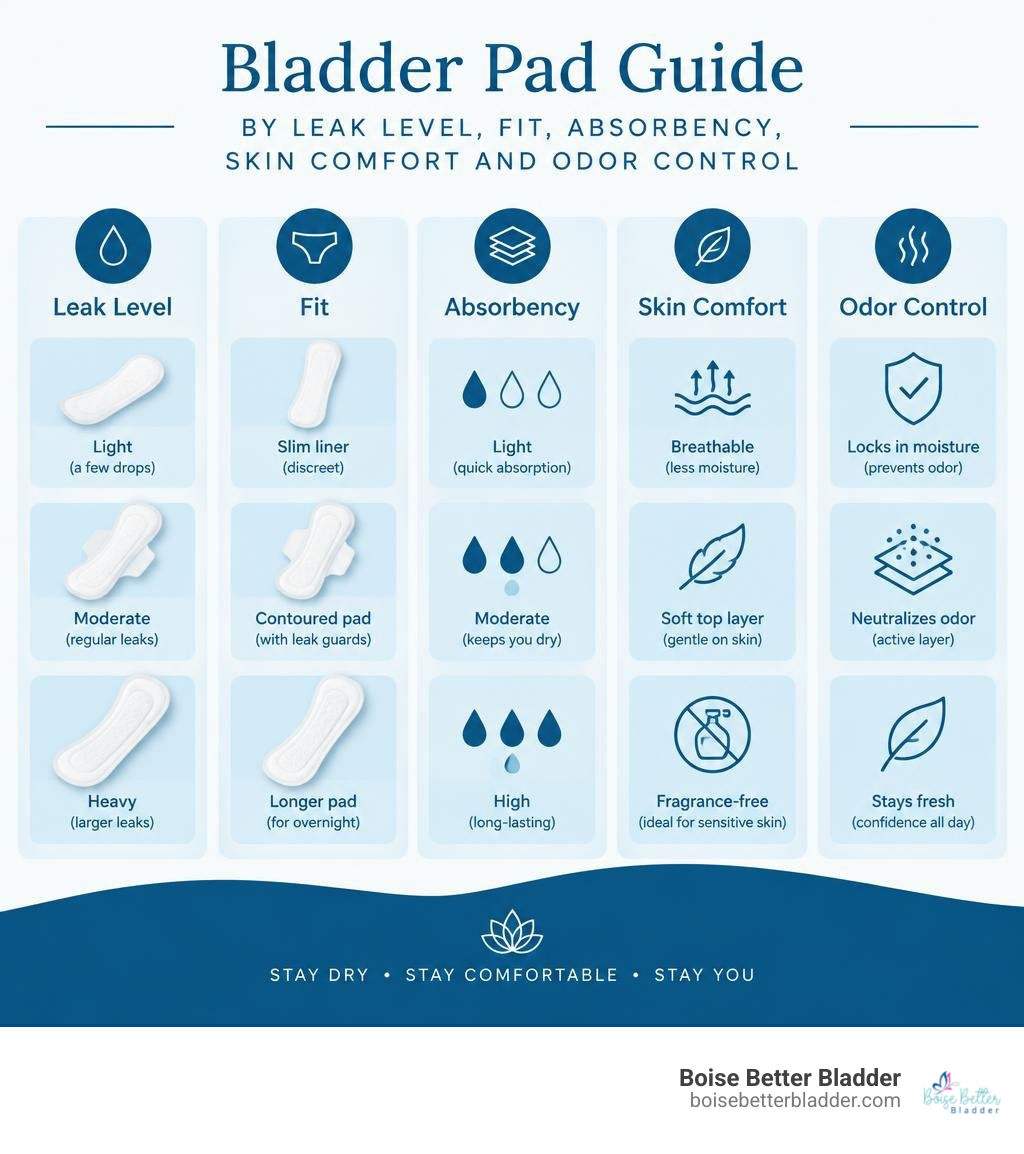
The best pads for leaking bladder are made specifically for urine, not periods. Choose a thin liner for a few drops, a contoured pad with leak guards for regular moderate leaks, and a longer high-absorbency or overnight pad for heavier leaks. Look for a fast-wicking top layer, odor control, secure adhesive, and a fragrance-free material if your skin is sensitive.
Bladder control pads use a moisture-drawing layer and absorbent core to pull urine away from the skin. This matters because urine can arrive quickly, especially with coughing, lifting, walking, or a sudden urge. A well-fitted pad can help you stay dry and comfortable while you work on the reason leaks are happening.
Pads are useful protection, but they are not a cure. Your body is not failing you. Leaks are often signals of changes in pelvic floor strength, coordination, hormones, or nervous-system communication. The right product can restore confidence today while you explore care that supports the root cause.
I am Kimberly Thompson, DACM, L.Ac., and I have worked with hundreds of women navigating pelvic floor dysfunction and bladder control concerns. In this guide to the best pads for leaking bladder, I will help you compare practical protection options while keeping the focus on long-term bladder stability.
Types of Bladder Protection and How They Work
A common misunderstanding is that any absorbent pad will manage urine loss effectively. Many women initially reach for standard menstrual pads, only to experience uncomfortable bunching, dampness, or skin irritation.
The typical explanation suggests that absorbency is simply a matter of thickness. However, this is fundamentally incomplete. Urine and menstrual fluid behave in entirely different ways. Menstrual flow is thick, viscous, and exits the body slowly over hours. In contrast, urine is thin, warm, and expelled at a high velocity in sudden surges.
Specialized bladder control pads are engineered specifically for rapid urine flow. They utilize a fast-acting acquisition layer paired with a hydrophobic top sheet that instantly draws fluid away from the surface. Beneath this layer lies a super-absorbent polymer core. These microscopic polymer beads rapidly lock away fluid and expand into a dry gel, isolating moisture and neutralizing the pH shifts that cause acidic urine odors.

When reviewing clinical research regarding urinary incontinence, it becomes clear that selecting a pad matched to your fluid volume protects the delicate epidermal barrier from moisture-associated skin breakdown. While pads offer essential security—especially when seeking postpartum incontinence help—they remain external barriers rather than structural solutions.
Selecting the Best Pads for Leaking Bladder by Leak Severity
Finding the right balance of protection requires matching product capacity to the volume of fluid lost throughout your day.
Light Leakage Liners (8 to 11 oz. capacity): Ideal for minor drips triggered by sneezing, coughing, or laughing. These are ultra-thin and virtually undetectable under tight clothing.
Moderate Absorption Guards (12 to 20 oz. capacity): Designed for active movement, sudden postural shifts, or mild urge episodes. These feature contoured shaping to prevent bunching.
Heavy Leak Pads (20 to 35 oz. / up to 2–4 cups): High-capacity options engineered for significant stream loss, physical exercise, or prolonged outings where restroom access is limited.
Ultimate & Overnight Capacity (up to 35+ oz. / 1000 mL): Extended-length profiles with reinforced perimeter barriers for full containment during sleep or heavy nighttime urge episodes.
Tracking your leak patterns over three to five days helps identify whether your leaks stem from physical exertion (stress) or sudden involuntary contractions (urgency).
Choosing Among Bladder Control Pad Options
When comparing the market leaders in bladder protection, different designs cater to specific daily activities and body shapes. Rather than relying on a single brand, consider which structural features align with your needs:
Everyday Moderate Protection: Look for pads with wide front-and-back shaping and specialized leak-block side walls. These provide up to 12 hours of dryness for daily reliability during errands, workdays, and social outings.
Sensitive Skin & Eco-Conscious Options: Some newer designs feature plant-based top sheets and ultra-thin profiles under 6 mm, holding multiple cups of liquid while remaining discreet under clothing.
Maximum Absorbency Contours: Plush, ergonomic pads with dual-layer cores can hold up to 2 cups of liquid, offering full-coverage adhesive backing for active daytime movement.
Extended Length Security: Ultra-slim pads measuring up to 38 cm long can hold up to 1000 mL, providing discreet maximum-capacity containment for travel or prolonged outings.
Clinical-Grade Overnight Protection: Medical-grade pads with multi-layer acquisition cores and cupped contours are designed for moderate-to-heavy leaks during sleep or caregiver assistance.
Key Features of the Best Pads for Leaking Bladder
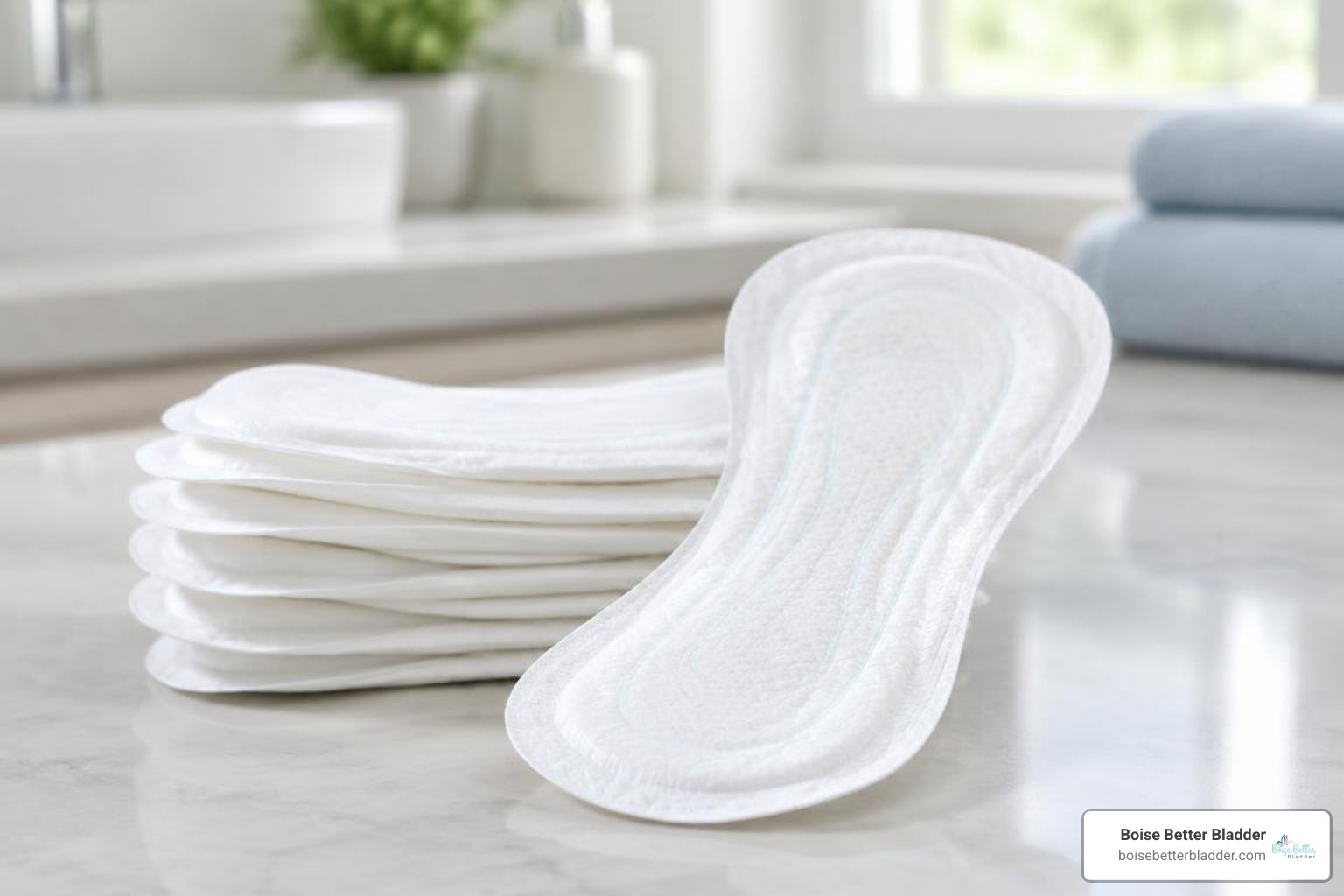
The best pads for leaking bladder combine low-profile dimensions with high-performance fluid mechanics. When evaluating your options, prioritize the following structural elements:
Pad Type | Stated Fluid Capacity | Core Technology | Key Structural Feature | Best For |
|---|---|---|---|---|
Everyday Maximum Protection | Up to 12 Hours Dryness | RapidLock Polymer Core | Wide front/back flared contour | Everyday reliability & moderate surges |
Plant-Based Heavy Absorbency | 435 mL (1.8 cups) | Plant-based wicking core | 5 mm ultra-thin profile | Sensitive skin & eco-conscious wear |
Active Daytime Maximum | Up to 2 Cups (approx. 475 mL) | Dual-layer odor-neutralizing core | Full-coverage adhesive backing | Active daytime movement |
Extended Length Maxi Plus | Up to 1000 mL | High-density gel matrix | 38 cm extended length with leak guards | Heavy daytime & overnight security |
Clinical Contour Ultimate | Moderate-to-Heavy Clinical Grade | Blue acquisition polymer layer | Cupped contour with dual side elastics | Overnight protection & caregiver use |
Absorbency Ratings for the Best Pads for Leaking Bladder
A pad’s absorbency rating directly reflects how quickly its internal matrix can distribute and trap fluid under pressure. Lower-quality pads allow fluid to pool on the surface, which causes wetness to press back against the skin when sitting down.
Advanced pads utilize dual-channel dispersion: the upper layer spreads the liquid lengthwise across the pad, while the lower polymer microbeads instantly gel the fluid in place. This prevents perimeter side leaks and allows modern pads to hold multiple cups of liquid without expanding into noticeable bulk.
Skin Health and Sensitive Top Sheet Materials
Chronic exposure to moisture and ammonia alters the natural acid mantle of the skin, increasing the risk of contact dermatitis and irritation. The body works in patterns; when the skin barrier is compromised, local inflammation can exacerbate pelvic discomfort.
To safeguard tissue health, look for pads that feature:
Plant-Based Top Sheets: Derived from sugarcane or organic fibers that wick moisture ten times faster than untreated cotton.
Hypoallergenic & Dermatologically Tested Materials: Free from natural rubber latex, added synthetic fragrances, lotions, and phthalates.
Elemental Chlorine-Free Bleaching: Eliminates harsh processing residues that irritate sensitive mucous membranes.
Breathable Outer Backsheets: Microporous backing that allows heat and vapor to escape while keeping liquid entirely sealed inside.
Practical Tips for Usage, Sizing, and Disposal
Approximately 50% of bladder leaks occur not because a pad lacks absorbency, but because of improper sizing and placement.

Wear Snug, Supportive Underwear: Loose underwear allows pads to shift and bunch during movement. Opt for close-fitting cotton briefs with adequate crotch width to anchor the adhesive strip firmly.
Proper Positioning: Peel the protective backing and place the widest portion of the pad where your leak concentration is highest—typically centered slightly more forward for daytime standing and walking, or shifted slightly rearward for overnight sleeping.
Hygienic Disposal: Bladder pads should never be flushed down a toilet, as super-absorbent polymers swell and cause severe plumbing blockages. Roll the used pad tightly within the wrapper of your fresh pad and dispose of it in a standard waste bin.
Maximize Pre-Tax Benefits: Incontinence management products are recognized medical expenses eligible for reimbursement through Flexible Spending Accounts (FSA) and Health Savings Accounts (HSA). Keep your itemized receipts for straightforward tax-advantaged reimbursement.
Moving Beyond Pad Management: Addressing the Root Cause
While high-quality pads provide peace of mind during social events, errands, and workdays, relying on them indefinitely treats the symptom while leaving the underlying imbalance unaddressed. Symptoms are signals. Bladder leaks are your body's way of communicating that the supportive muscular hammock and neural pathways of the pelvis need care.
Stress leaks occur when intra-abdominal pressure—from a laugh, sneeze, or jog—overcomes a weakened pelvic floor. Urge leaks, on the other hand, stem from miscommunication between the central nervous system and the detrusor muscle of the bladder wall, resulting in sudden, uninhibited spasms.
These challenges frequently arise alongside natural hormonal shifts during menopause bladder issues, structural strain after childbirth, or chronic neuromuscular fatigue. When lifestyle modifications alone fall short, comprehensive therapies for overactive bladder treatment and understanding weak pelvic floor treatment help restore functional stability.
Frequently Asked Questions About Bladder Control Pads
Can I use standard menstrual pads for bladder leaks?
Menstrual pads are not designed to absorb urine effectively. Menstrual flow is viscous and slow, whereas urine is thin and expelled rapidly. Standard period pads lack the fast-dispersing acquisition layers and super-absorbent polymer beads found in incontinence pads, leading to surface pooling, side leaks, and skin breakdown.
How do I ensure incontinence pads qualify for FSA or HSA reimbursement?
Bladder control products are recognized by the IRS as qualified medical expenses for managing urinary incontinence. You can purchase them directly using your FSA or HSA debit card at major retailers and pharmacies, or submit your itemized store receipts to your account administrator for reimbursement.
How often should bladder leakage pads be changed throughout the day?
For optimal hygiene and skin health, pads should be changed every 4 to 6 hours during the day, or immediately following a moderate-to-heavy leak episode. Allowing urine to remain against the skin for extended periods elevates skin pH, encouraging bacterial growth and tissue irritation.
Conclusion
Navigating bladder leaks can feel overwhelming, but you do not have to manage symptoms in isolation. Choosing the right incontinence pad offers essential, discreet protection that allows you to live your daily life with confidence and dignity.
However, pads are a supportive bridge, not a permanent destination. The body works in patterns, and with the right therapeutic input, pelvic tissues and nerve pathways can regain their natural strength, coordination, and tone.
For additional practical recommendations on managing daily protection, explore our companion guide on bladder control guards for women. When you are ready to explore gentle, restorative care that addresses the root cause of bladder leaks, our clinical team in the Treasure Valley is here to guide you every step of the way.
